泰国主厨令哥:打算在深圳干到退休

·
·
·()美景
·
·
·
·
·
·(

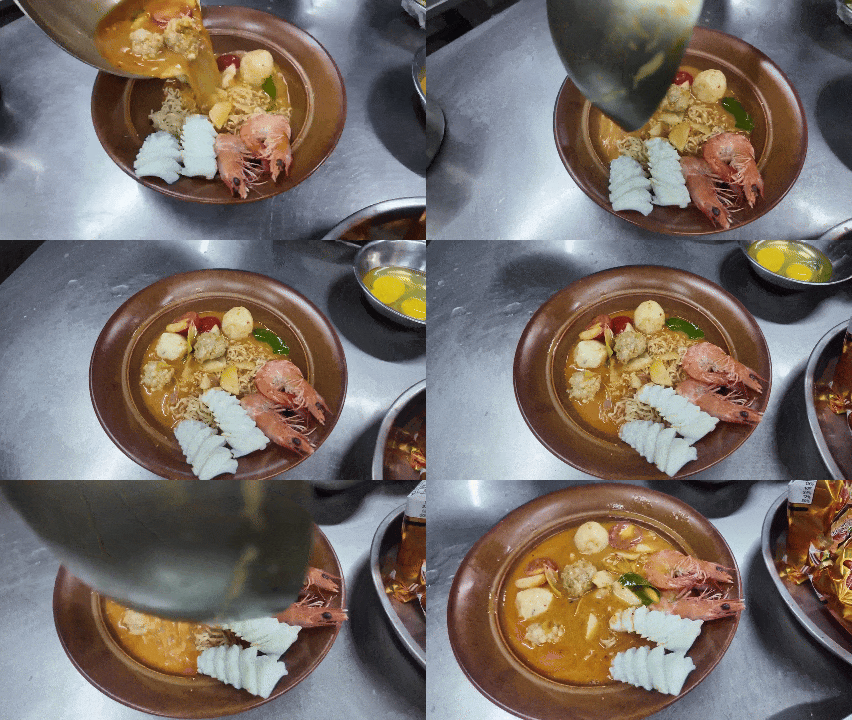
“不用浪费机票去泰国,在深圳也能吃到正宗的泰国菜。”在深圳南山华侨城创意文化园的一家泰国餐厅里,主厨令哥常跟客人这样聊天。做了三十多年的厨师,先后辗转新加坡和中国的多个城市,最终凭着一手正宗的泰国菜留在深圳14年。
"No need to waste money on a plane ticket to Thailand—you can get authentic Thai food right here in Shenzhen." Chef A-Ling often chats with his customers like this at a Thai restaurant in the OCT Loft Creative Culture Park in Nanshan District, Shenzhen. With over 30 years of culinary experience, having worked in Singapore and multiple Chinese cities, he ultimately settled in Shenzhen 14 years ago, relying on his mastery of authentic Thai cuisine.
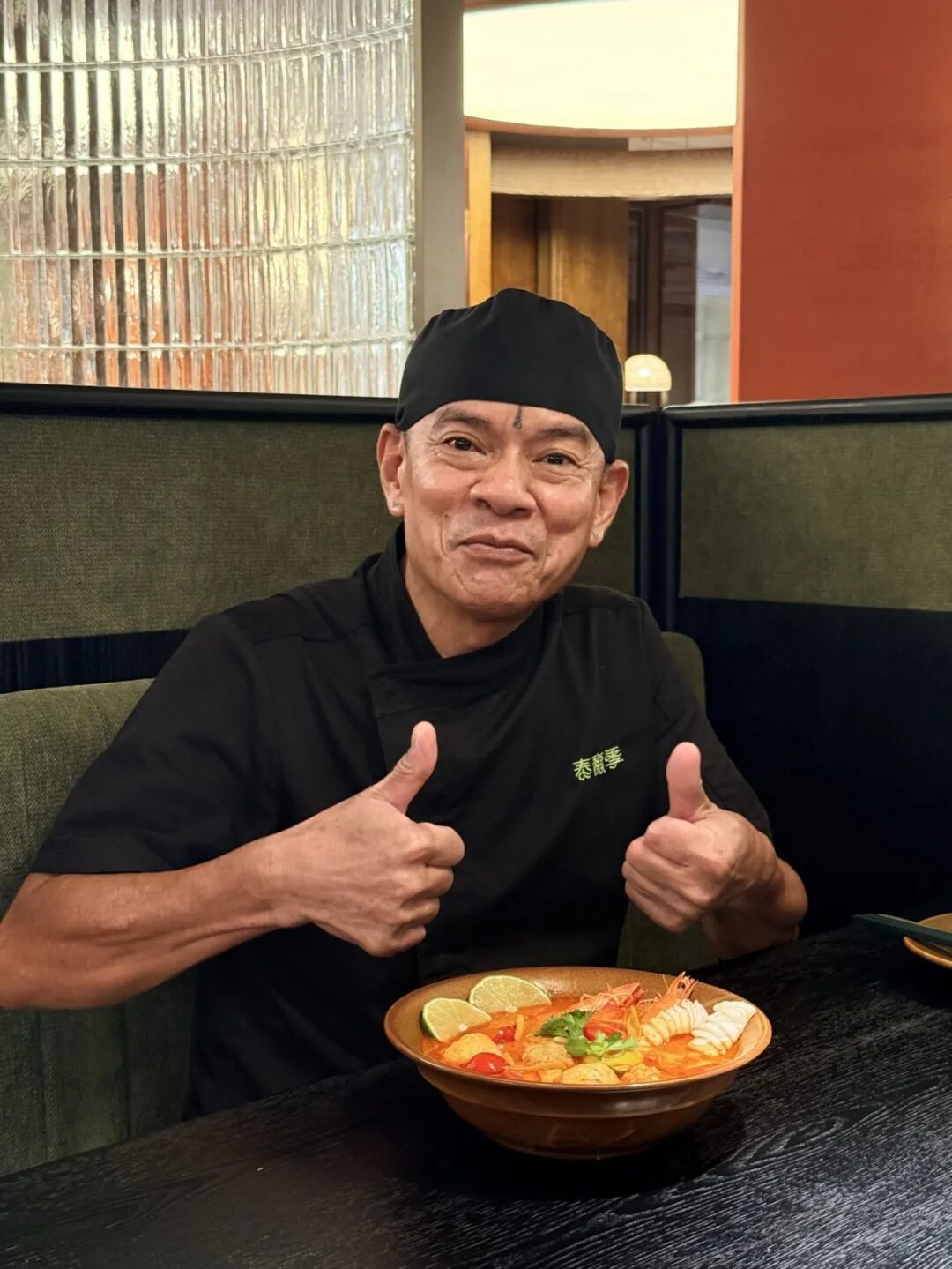
2026年11月,APEC第三十三次领导人非正式会议将在深圳举办,泰国是21个成员经济体之一。在深圳,像阿令这样的外国人还有很多,他们也让“国际化深圳”这几个字有了具体的模样。
In November 2026, the 33rd APEC Economic Leaders’ Meeting will be held in Shenzhen, and Thailand is one of the 21 member economies. In Shenzhen, there are many foreigners like A-Ling; they are the living, breathing definition of an "international Shenzhen."
敢闯好学
一个泰国厨师的“走南闯北”
A Spirited Learner:
A Thai Chef's Journey Across Borders
令哥和深圳的缘分,很随机。
A-Ling's bond with Shenzhen was somewhat serendipitous.
来自泰国东北部的他,15岁就开始学厨,一学就是十多年,直到1998年,他第一次离开泰国,前往新加坡工作,一待12年。这12年里,一个有华侨背景的泰国师父让他和中国有了第一次连接,“我的中文是我师父教的,但我只会说,不会写也看不懂文字。”令哥说。
Hailing from northeastern Thailand, he began learning to cook at 15 and trained for over a decade. It wasn't until 1998 that he first left Thailand to work in Singapore, where he stayed for 12 years. During that time, a Thai master chef of Chinese descent gave him his first connection to China. "My master taught me Chinese, but I can only speak it. I can't read or write the characters," A-Ling recalls.
如果说能听懂中文,是令哥和中国缘分的第一步,那2011年,他工作的餐厅要往中国扩张,便让他正式开启了在中国“走南闯北”的闯关生活。那一年他跟随餐厅发展来到了北京,1年的时间里,他还辗转过很多城市,直到2012年,南下深圳,这一次没再走。
If understanding Chinese was the first step in his bond with China, then in 2011, when the restaurant he worked for expanded into China, A-Ling officially embarked on his cross-country adventures. That year, he followed the restaurant's expansion to Beijing, and within a year, he traveled to many other cities. It wasn't until 2012, when he headed south to Shenzhen, that he finally stopped moving.
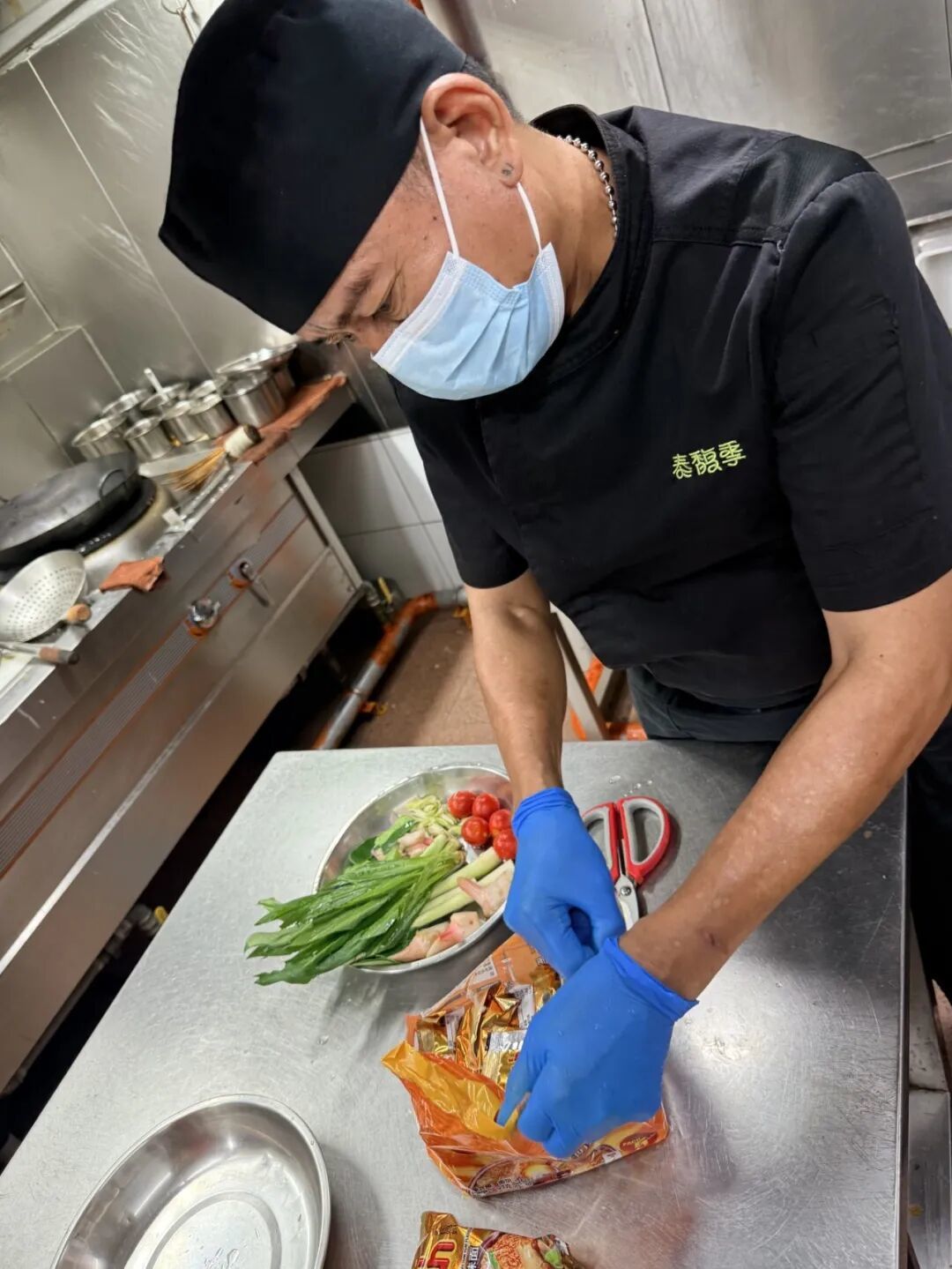
为什么留下?他给的理由很朴素:“北方太冷了,深圳好像我们泰国一样,也不热,也不凉。”
Why did he stay? His reason is refreshingly simple: "The north was too cold. Shenzhen is like Thailand—neither too hot nor too cold."
在深圳的14年里,他在深圳好几家泰餐厅掌过勺,冷菜、热菜、甜品样样都做。从泰国东北到新加坡,到北京,再到深圳,他换过国家、换过城市、换过老板,唯一没换的是手里的锅。
During his 14 years in Shenzhen, A-Ling has been the head chef at several Thai restaurants, mastering everything from cold dishes and hot dishes to desserts. From northeastern Thailand to Singapore, Beijing, and finally Shenzhen, he has changed countries, cities, and bosses—but the one thing he never changed was the wok in his hand.
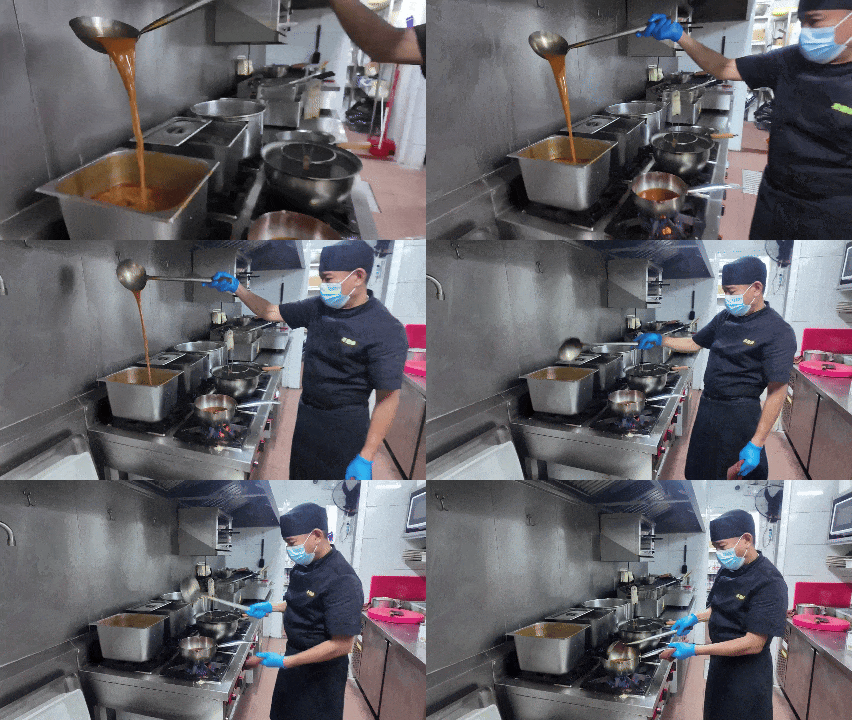
时间久了,他还把妻子接来了深圳,如今两个人一起工作,深圳也成了这对泰国夫妇的第二个家。
As the years passed, he brought his wife to Shenzhen. Now working together, the city has truly become a second home for the Thai couple.
不改内核,只做适配
泰国主厨也爱“中国风味”
Keeping the Soul,Tweaking the Flavor:
A Thai Chef Who Loves Chinese Food
一个外国厨师在一座城市待久了,变化最先发生在锅里。
When a foreign chef stays in a city for a long time, the first thing that changes is his cooking.
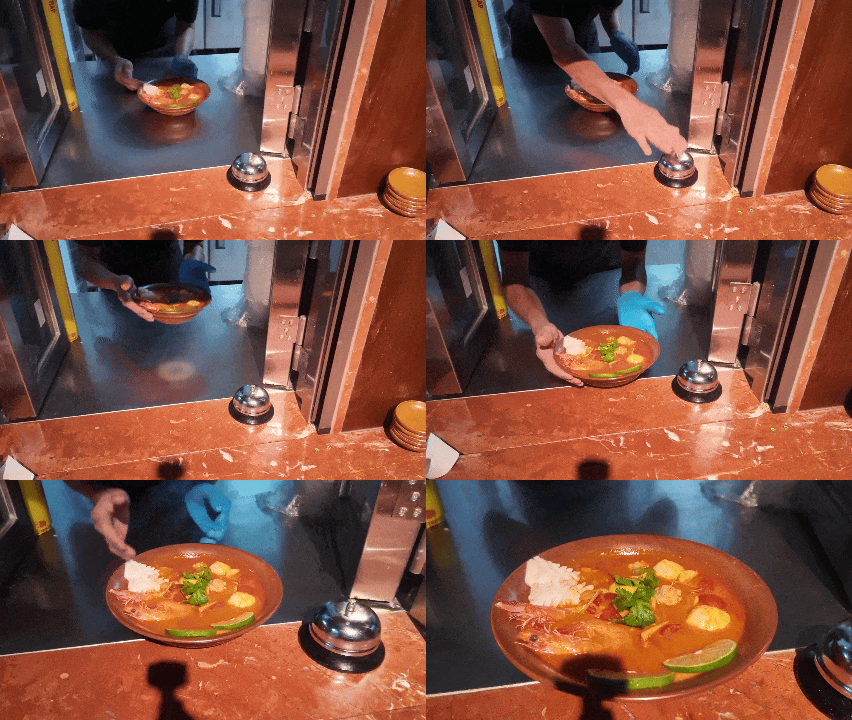
泰国菜受地方气候和文化影响,整体口味重辣、重酸、重甜。到了深圳,令哥并没有一味本地化,而是根据客人的反馈,把整体味道往回收了一点。“减糖、减辣、减酸,一点一点。”他伸出手指比划,“一丢丢。”
Influenced by local climate and culture, Thai food is heavily spicy, sour, and sweet. In Shenzhen, A-Ling didn't blindly localize the dishes; instead, based on customer feedback, he dialed the overall flavors back just a bit. "Less sugar, less spice, less sour—little by little," he gestures with his fingers, "just a smidge."
但有些东西,他一点没动。南姜、香茅、柠檬叶、生黄姜,“材料是不能变的,有这些灵魂香料,才是正宗的泰国菜”。
But there are some things he wouldn't budge on: galangal, lemongrass, kaffir lime leaves, and fresh yellow ginger. "The ingredients cannot be changed. Without these soul spices, it's not authentic Thai food."
然而,有意思的是,他把泰国菜往回收了一点,自己的嘴却越吃越远。
Interestingly, however, while he dialed back the Thai flavors, his own palate traveled even farther.
下班以后,令哥最常去的是回家路上的烧烤摊,撸几串羊肉串,嗦一碗螺蛳粉,炫一份干锅田鸡或者来一份辣辣的烤鱼。羊肉串是新疆的,螺蛳粉是柳州的,干锅田鸡是湖南的,烤鱼是重庆的。
After work, A-Ling’s most frequent stops are the street food stalls on his way home, where he enjoys Xinjiang lamb skewers, a bowl of Liuzhou luosifen (snail rice noodles), Hunan dry-pot frog, or a spicy Chongqing grilled fish.
一个泰国厨师的日常菜单,摊开来是一张中国地图。而这张地图,是在他日常通勤的几公里内就能实现。
A Thai chef’s daily menu unfolds like a map of China. And this map is entirely accessible within a few kilometers of his daily commute.
这其实也是一种深圳特色,“很多人的家乡在远方,但总能在这座城市找到家乡味,或许并不能算正宗,但吃到嘴里,还是能认出那是家里的味道。人在异乡,认的从来不是配方,是一口熟悉。”就像令哥的拿手菜清迈青柠鲈鱼一样,每一次都会被泰国客人点到,即使做了一点小改变,但还是他们照点不误。
This is, in fact, part of the Shenzhen experience. "Many people's hometowns are far away, but you can always find the taste of home in this city. It might not be perfectly authentic, but when you eat it, you still recognize it. When you are away from home, what you recognize is never the exact recipe, but a familiar bite." Just like A-Ling’s signature Chiang Mai Lime Sea Bass, which is ordered time and time again by Thai customers. Even with slight tweaks, they still order it without hesitation.
上班做好每道菜
下班用镜头打卡深圳
Perfecting Dishes by Day
Capturing the City After Hours
在深圳的14年,也让令哥的日子过得很“深圳”。
Fourteen years in Shenzhen have also made A-Ling’s life very "Shenzhen."
他会说粤语,说得比普通话好,还会唱粤语歌,其中那首《海阔天空》是他的最爱。当然,天高海阔的深圳美景也让他很着迷。
He speaks Cantonese—better than his Mandarin, in fact—and loves singing Cantonese songs. His absolute favorite is Beyond’s classic hit Under a Vast Sky. Of course, the boundless, beautiful scenery of Shenzhen also captivates him.
不上班的时候,令哥会去盐田逛大梅沙,去深圳湾散步,去罗湖扫货购物。说到深圳的高楼,他抬手一指:“平安金融中心最高。”不仅喜欢在深圳Citywalk,令哥还很喜欢拍各种打卡视频,他表示:“手机里存着许多深圳的美景,虽然没往社交平台发,但我每次看到好看的地方都会拍下来,给自己留个纪念。”
When he’s not working, A-Ling goes to Dameisha in Yantian, takes walks at Shenzhen Bay, and goes shopping in Luohu. When talking about Shenzhen’s skyscrapers, he points up and says, "The Ping An Finance Centre is the tallest." He not only loves going for urban walks in Shenzhen but also enjoys shooting various vlog-style videos. "My phone is full of beautiful Shenzhen scenery. Even though I don't post them on social media, I always take pictures whenever I see something beautiful to keep as a memento," he shares.
如今,他每天和妻子一起在深圳,每年只有春节的时候才会回到泰国,但每一次和家人视频的时候,他总是会给孩子安利深圳。他说:“深圳很漂亮,有很多地方可以去旅游,以后有机会,你们要来逛逛。”
Now, he and his wife live in Shenzhen every day, only returning to Thailand during the Spring Festival each year. But every time he video-calls his family, he always highly recommends Shenzhen to his kids. "Shenzhen is beautiful, with so many places to travel to. When you have the chance, you must come and visit," he gushes.
2026年,是令哥在深圳的第14年。他说,打算在深圳做到退休,也希望通过泰国菜交到更多的朋友,俘获更多的“中国胃”。
In 2026, A-Ling marks his 14th year in Shenzhen. He shares that he plans to work here until he retires, hoping to make more friends and win over more "Chinese palates" through his Thai cuisine.
来源:龙岗融媒(记者 罗玮 曾萍)
责编:龙岗融媒(编辑 邱妍灵)
校对:王蓉
审核:陈杨
监制:艾海建
·
·
·()美景
·
·
·
·
·
·(
·
·
·()美景
·
·
·
·
·
·(



绿色出行申报全攻略,便民福利一文读懂
亚太面孔·深圳故事⑧|喝温水逛围屋坐月子:一个俄罗斯教授家庭的深圳日常

龙岗迎客姿态,藏在这些细节里
>>>

发布君能不能早日实现奶茶自由
就看各位的转发、点
和
啦~
↓↓↓
本文来自大风号,仅代表大风号自媒体观点。
